The fashion industry has long operated on a relentless cycle of changing seasons, convincing us that we need new clothes every few months to stay relevant. This constant turnover encourages excessive consumption and results in a staggering amount of textile waste piling up in landfills globally. Embracing a seasonless wardrobe offers a refreshing and responsible alternative to this fast-fashion treadmill. A seasonless approach focuses on curating a collection of versatile, high-quality pieces that work for you year-round, regardless of the weather outside. By shifting your mindset from temporary trends to timeless style, you reduce your environmental footprint and simplify your daily routine. This guide explores how you can build a sustainable, enduring wardrobe that celebrates longevity, personal style, and mindful living.
The Environmental Impact of Seasonal Trends
Fast fashion relies on the concept of micro-seasons, pushing new inventory into stores as often as every week. This model creates a culture of disposability where clothes are worn only a handful of times before being discarded. The production of these garments consumes vast amounts of water, energy, and raw materials, often contributing to pollution and labor exploitation.
Moving away from seasonal shopping is a powerful act of environmental stewardship. A seasonless wardrobe directly combats the "throwaway culture" by extending the lifespan of every garment you own. You buy less, but you buy better. This reduction in demand signals to manufacturers that consumers value quality over quantity. Choosing longevity over novelty helps conserve resources and significantly lowers your personal carbon footprint. It is a practical way to align your daily choices with your values of sustainability and conservation.
Principles of a Seasonless Wardrobe
Creating a wardrobe that transcends seasons requires a shift in how you view clothing categories. Instead of packing away "summer clothes" and unpacking "winter clothes" twice a year, you aim to keep the majority of your closet active throughout all twelve months. The core philosophy is versatility.
Every item you bring into your life should serve multiple purposes and pair easily with what you already own. You look for pieces that can be layered, mixed, and matched to adapt to changing temperatures. A lightweight dress, for example, works on a hot July day with sandals but also transitions to December when paired with tights, boots, and a chunky sweater. This fluidity maximizes the utility of your clothing. It transforms your closet from a storage unit of unworn items into a functional toolkit for dressing well every single day.
Selecting Timeless and Versatile Pieces
The foundation of a seasonless wardrobe is built on classic silhouettes and neutral colors. These elements never go out of style and provide a blank canvas for your personal expression. Focusing on basics does not mean your style has to be boring; it means your clothes are adaptable.
Start by identifying the workhorses of your closet. A crisp white button-down shirt, a well-fitted pair of dark denim jeans, and a classic blazer are excellent examples of seasonless staples. These items function just as well in a chilly office as they do at an outdoor dinner.
Look for garments with simple lines and minimal detailing. Elaborate trends or very specific patterns often date a piece quickly or limit how it can be worn. A solid-colored midi skirt offers far more styling possibilities than a neon-patterned mini skirt that only feels appropriate for a specific summer festival. By choosing adaptability first, you ensure that your investments pay off over years of wear.
The Art of Layering for All Climates
Layering is the secret weapon that makes seasonless dressing possible. It allows you to regulate your body temperature without needing an entirely separate wardrobe for cold weather. Instead of relying on heavy, bulky items that only see daylight for two months, you use combinations of lighter pieces to create warmth.
Mastering the "base, mid, and outer" layer technique gives you infinite flexibility. Your base layer should be comfortable against the skin, like a cotton t-shirt or a silk camisole. Your mid-layer provides insulation; think cardigans, vests, or lightweight sweaters. Finally, your outer layer shields you from the elements, such as a trench coat or a denim jacket.
You can wear a sleeveless top under a blazer in the winter, or wear it on its own in the summer. A slip dress can be worn over a turtleneck when the temperature drops. This strategy allows you to use your entire wardrobe year-round. It saves space in your home and ensures that your favorite pieces don't collect dust for half the year.
Choosing Sustainable Materials
Fabric choice plays a huge role in how adaptable a garment is to different temperatures. Natural fibers are generally superior for seasonless dressing because they are breathable and help regulate body temperature. Synthetic fabrics like polyester often trap heat and moisture, making them uncomfortable in both extremes.
Cotton, linen, silk, and wool are excellent choices for a sustainable, year-round closet. Linen is often pigeonholed as a summer fabric, but heavyweight linen is durable and warm enough for cooler months when layered correctly. Wool, particularly merino wool, is magical in its ability to keep you cool in the heat and warm in the cold due to its moisture-wicking properties.
prioritizing these natural, biodegradable materials also supports the planet. They break down much faster than synthetics at the end of their lifecycle and generally require fewer chemicals to produce. Checking the fabric content label before you buy ensures you are selecting materials that offer comfort and versatility across seasons.
Color Palettes That Work Year-Round
Color trends often dictate seasonal shopping, with pastels for spring and deep jewel tones for autumn. A seasonless wardrobe ignores these arbitrary rules in favor of a cohesive, personal color palette. This ensures that everything in your closet matches, regardless of when you bought it.
You should anchor your wardrobe with neutrals like black, navy, gray, beige, white, and olive. These shades work well together and serve as a grounding force for any outfit. Once you have your neutrals established, you can add accent colors that you genuinely love and that flatter your complexion, rather than what a magazine tells you is "in" this month.
Wearing white jeans in winter or a black dress in summer is perfectly acceptable and chic. Freeing yourself from seasonal color rules doubles the number of outfits you can create. It simplifies your morning routine because you don't have to worry if a certain color is "appropriate" for the time of year. If you love it and it works with your layers, it belongs in your outfit rotation.
Mindful Consumption and Care
Building a seasonless wardrobe is a slow and intentional process. It requires you to resist the urge to impulse buy and instead plan your purchases carefully. Before buying something new, ask yourself if you can wear it in at least three different seasons.
Caring for your clothes extends their life and keeps them looking fresh, which is essential when you are wearing them more frequently. Wash your clothes less often and at lower temperatures to preserve the fibers. Air drying is gentler than using a dryer and saves energy. Learning basic repair skills, like sewing a button or mending a small tear, keeps your favorite items in rotation longer.
Treating your clothing with respect is a key component of sustainability. It honors the resources and labor that went into making the garment. A well-loved, well-worn wardrobe is a badge of honor that shows you value substance over surface-level trends.
Transitioning Your Current Wardrobe
You do not need to throw out everything you own to start a seasonless wardrobe. In fact, that would be counterproductive to the goal of sustainability. Start by auditing what you already have.
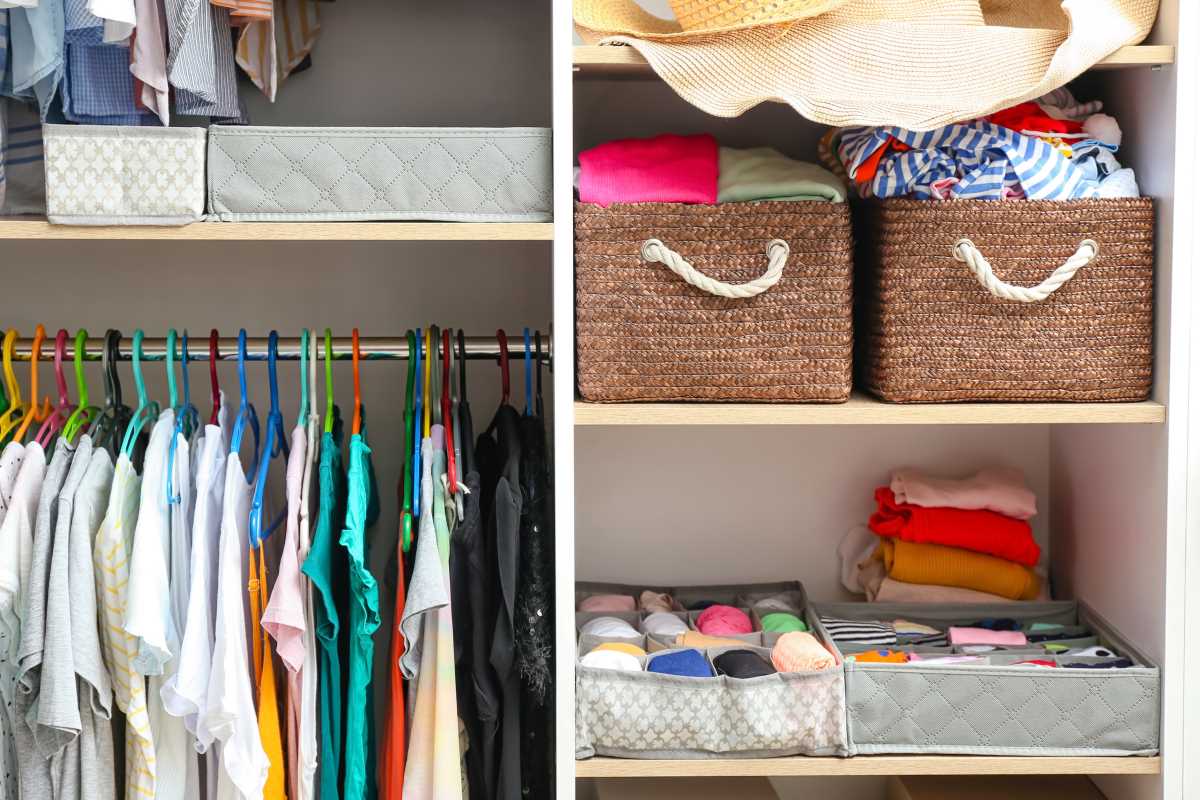
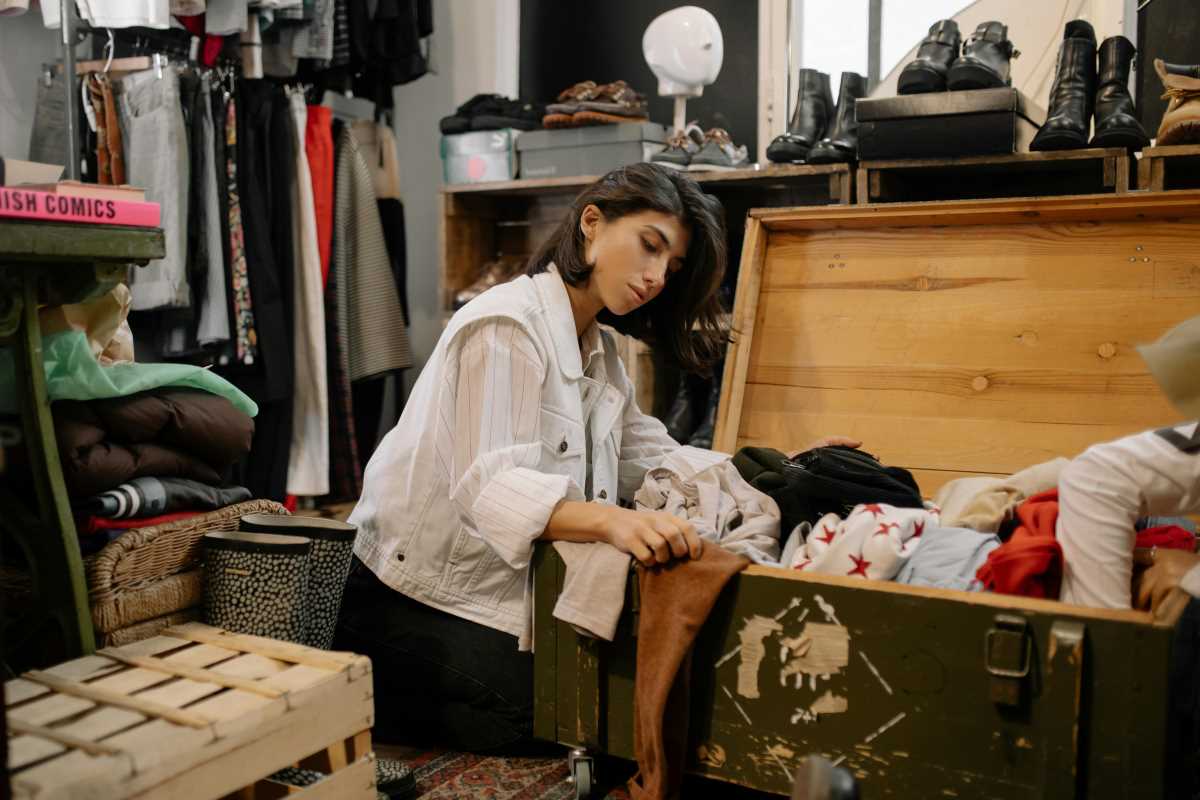
Pull everything out of your closet and categorize it. Identify the pieces you reach for constantly—these are likely your seasonless staples. Look at the items you only wear for a few weeks a year. Ask yourself if they can be styled differently to work in other seasons. Could that summer maxi dress work with a chunky sweater and boots? Could those winter trousers be paired with a simple t-shirt and sneakers?
Donate or sell items that truly do not fit your new philosophy or your body. Be honest about what works for your lifestyle. The goal is to curate a collection that makes you feel confident and comfortable every day. A smaller, more functional closet reduces decision fatigue and brings a sense of calm to your daily life.

.jpg)